2026-10-18
How to Import Robots and AI Hardware from China: A Buyer's Checklist
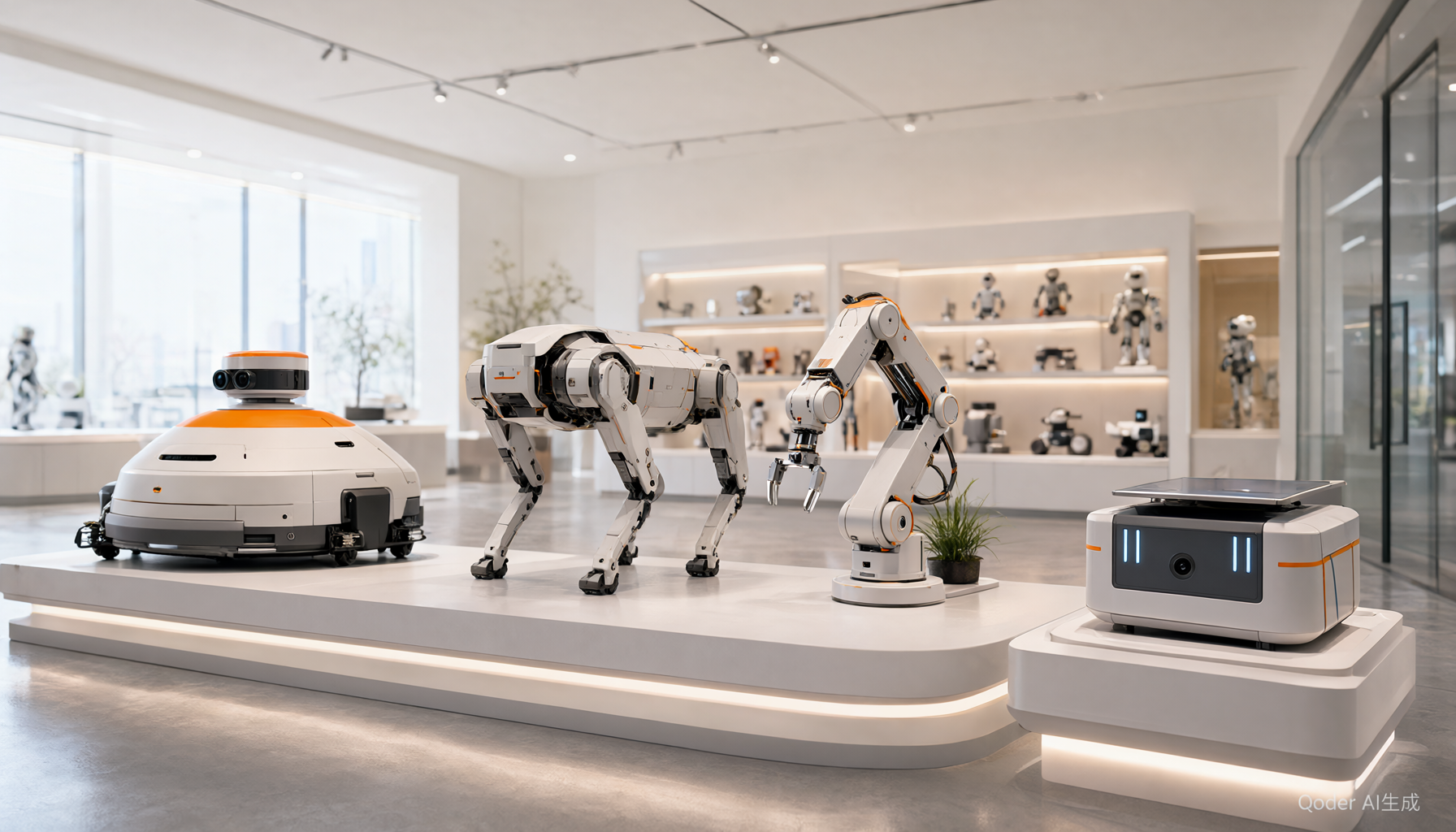
Sourcing a robot or edge-AI device from a mainland-China manufacturer is very doable — thousands of units ship every week to North America, Europe, the Gulf and ASEAN. But the winners of a bad first order pay for it in customs, warranty and re-work. This checklist keeps the deal clean.
1. Validate the product, not just the video
Factory demo videos are polished. Ask the supplier for:
- A written spec sheet (suction/ Pa ratings, runtime, IP rating, sensor list) — not a marketing brochure.
- A firmware/app screenshot showing the region your market needs (Google Play services on Android robots, EU cloud endpoints, etc.).
- Two reference customers in your region who will take a call.
2. Confirm certification for YOUR market
| Market | Electrical / radio | Notes |
|---|---|---|
| US / Canada | FCC (Part 15), IC where applicable | Wi-Fi/Bluetooth robots need FCC-ID on the label |
| EU | CE + RED (radio), WEEE registration | Battery regulation (EU 2023/1542) applies from 2024–2027 |
| UK | UKCA (or CE accepted under current easing) | UKCA and CE are not interchangeable forever — check the current easing period |
| GCC | G-mark for some categories, national type approval (CITC Saudi, TDRA UAE) | Arabic app/UI is a real selling point |
| Indonesia / Thailand / Vietnam | SDPPI / NBTC / MIC type approval | Radio approval is per-model; ask for the certificate number |
Ask for the certificate PDF and the lab report, and verify the test-house name. A "CE Declaration of Conformity" with no test report behind it means little.
3. Check export control on the China side
Certain robot classes fall under China's dual-use export catalogue (in force since 1 December 2020, updated 1 December 2024): high-payload arms, certain autonomous-navigation and remote-control items, drones and some sensor modules. The supplier, not you, handles the Chinese export licence — but you should:
- Ask explicitly: "Does this model require an export licence under the dual-use catalogue?"
- Get the answer in writing (WhatsApp screenshots count).
- Be aware that sanctioned destinations and restricted end-users are screened per order; a reseller in a free-trade zone does not bypass this.
4. Price like an importer, not a shopper
Factory prices are almost always FOB China — that excludes freight, insurance, duty and VAT/GST. Build your landed cost:
- FOB unit price × quantity
- + ocean/air freight (ask for both — sea is 5–8× cheaper per unit, 30–45 days to EU/US West, air 5–9 days)
- + duty (HS code classification; robotics HS 8479/8508/8517 vary by product and destination)
- + VAT/GST at your rate
Best practice: ask for a DDP quote (delivered duty paid). Then the WhatsApp price is comparable to your local supplier's.
5. MOQ and the sample order
Most export-ready factories ship single samples (yes, even robot arms). Order one sample, torture-test it for two weeks, then negotiate the batch. Expect sample price at 1.5–2× bulk, often credited back on the first PO.
6. Payment and paperwork
- 30% deposit / 70% before shipment is the norm; use the supplier's corporate account, never personal.
- For first orders consider an escrow-style channel or a small L/C above ~$20k.
- Insist on correct commercial invoice, packing list and certificate of origin — under-declared invoices shift Chinese-side risk to you and can blow up at your customs.
7. After sales is your side of the desk
Before the PO, agree in writing:
- Warranty term (12 or 18 months is typical) and what "defective" means.
- Spare-parts kit with the batch (brushes, batteries, blades — consumables cost the factory cents).
- Remote firmware support channel and response SLA.
- Who handles RMA — shipping a single robot back to China rarely makes sense; a parts + video-diagnosis model usually does.
Bottom line: a good Chinese supplier welcomes this checklist. A supplier who gets annoyed by it is telling you something.
Next step: every product listed on this site shows its certifications, MOQ and an indicative FOB range on its detail page, and each page has a direct WhatsApp button to the supplier's export team.
Next steps — 💬 Chat on WhatsApp
importingcompliancelogisticscertification